Buy osnabrück.biz ?
We are moving the project
osnabrück.biz .
Are you interested in purchasing the domain
osnabrück.biz ?
domain@kv-gmbh.de · 0541-91531010
Buy osnabrück.biz ?
Why are people destructive?
People can be destructive for a variety of reasons, including anger, frustration, a desire for power or control, mental health issues, or a lack of empathy. Destructive behavior can also be a result of learned behavior or environmental influences. Additionally, some individuals may engage in destructive actions as a way to cope with their own emotional pain or trauma. Ultimately, destructive behavior is complex and can stem from a combination of internal and external factors. **
Why is everything destructive?
Everything is not inherently destructive, but there are destructive forces and actions in the world due to a variety of reasons. Some destructive forces are natural, such as earthquakes and hurricanes, while others are caused by human actions, such as pollution and war. Destructive behavior can also stem from a lack of understanding, empathy, or consideration for others. It is important to recognize and address these destructive forces in order to work towards a more harmonious and sustainable world. **


Similar search terms for Non-destructive
Top-Angebote
Products related to Non-destructive:
-
The Black History Month Bundle 4 Books Collection Set - Fiction/Non Fiction - Paperback Books2DoorThis Black History Month, we’re excited to expand our Black Voices collection with a specially curated set for you, our beloved readers! We believe it’s essential to amplify Black voices and ensure they are heard loud and clear. To start, we’re offering a selection of books that span contemporary perspectives to historical insights. Start with Queenie, a modern classic that resonates with today’s audience, exploring the complexities of identity and belonging. Then, dive into Black and British, an essential non-fiction work that highlights the importance of understanding our history through the lens of Black voices, stories that must be shared and celebrated. We also have some beloved favourites to enrich your reading experience. The Color Purple is a powerful tale of resilience and empowerment that continues to inspire readers. Plus, don’t miss Keep the Receipts by The Receipts Media Ltd, a popular non-fiction book from our favourite podcasters that offers fresh perspectives and engaging conversations. Let’s celebrate Black voices together this month and beyond! Titles in this set: 1. The Color Purple: by Alice Walker (Fiction) 2. Queenie: by Candice Carty-Williams (Fiction) 3. Black and British: A Forgotten History: by David Olusoga (Non-Fiction) 4. Keep the Receipts: by The Receipts Media Ltd (Non-Fiction) Description: The Color Purple Set in the deep American South between the wars, THE COLOR PURPLE is the classic tale of Celie, a young black girl born into poverty and segregation. Raped repeatedly by the man she calls 'father', she has two children taken away from her, is separated from her beloved sister Nettie and is trapped into an ugly marriage. But then she meets the glamorous Shug Avery, singer and magic-maker - a woman who has taken charge of her own destiny. Gradually Celie discovers the power and joy of her own spirit, freeing her from her past and reuniting her with those she loves. Queenie Queenie is a twenty-five-year-old Black woman living in south London, straddling Jamaican and British culture whilst slotting neatly into neither. She works at a national newspaper where she's constantly forced to compare herself to her white, middle-class peers, and beg to write about Black Lives Matter. After a messy break up from her long-term white boyfriend, Queenie finds herself seeking comfort in all the wrong places. As Queenie veers from one regrettable decision to another, she finds herself wondering, What are you doing? Why are you doing it? Who do you want to be? - the questions that every woman today must face in a world that keeps trying to provide the answers for them. A darkly comic and bitingly subversive take on life, love, race and family, Queenie will have you nodding in recognition, crying in solidarity and rooting for this unforgettable character every step of the way. A disarmingly honest, boldly political and truly inclusive tale that will speak to anyone who has gone looking for love and acceptance and found something...26,99 £*Shipping: 2,99 £Secure redirect to the provider
-
24 Hours in Ancient History Series 5 Books Collection Set - Non Fiction - Paperback Michael O'Mara Books LtdTitles in this Set: 1. 24 Hours in Ancient Rome 2. 24 Hours in Ancient Egypt 3. 24 Hours in Ancient Athens 4. 24 Hours in Ancient China 5. 24 Hours in the Viking World Description: 24 Hours in Ancient Rome Walk a day in a Roman’s sandals ... What was it like to live in one of the ancient world’s most powerful and bustling cities – one that was eight times more densely populated than modern day New York? In this entertaining and enlightening guide, bestselling historian Philip Matyszak introduces us to 24 characters who lived and worked there. In each hour of the day we meet a new character – from a senator to a slave girl, a gladiator to an astrologer, watchmen to washerwomen – and discover the fascinating details of their daily lives. 24 Hours in Ancient Egypt Spend 24 hours with the inhabitants of the most powerful kingdom in the ancient world. Ancient Egypt wasn’t all pyramids, sphinxes and gold sarcophagi. For your average Egyptian, life was tough, and work was hard, conducted under the burning gaze of the sun god Ra. During the course of a day in the ancient city of Thebes (modern-day Luxor), Egypt’s religious capital, we meet 24 Egyptians from all strata of society – from the king to the bread-maker, the priestess to the fisherman, the soldier to the midwife – and get to know what the real Egypt was like by spending an hour in their company. We encounter a different one of these characters every hour and in every chapter, and through their eyes see what an average day in ancient Egypt was really like. 24 Hours in Ancient Athens Spend 24 hours with the ancient Athenians. See the city through their eyes as it teeters on the edge of the fateful war that would end its golden age. Athens, 416 BC. A tenuous peace holds. The city-state’s political and military might are feared throughout the ancient world; it pushes the boundaries of social, literary and philosophical experimentation in an era when it has a greater concentration of geniuses per capita than at any other time in human history. Yet even geniuses go to the bathroom, argue with their spouse and enjoy a drink with friends. During the course of a day we meet 24 Athenians from all strata of society – from the slave-girl to the councilman, the vase painter to the naval commander, the housewife to the hoplite – and get to know what the real Athens was like by spending an hour in their company. We encounter a different one of these characters every chapter, with each chapter forming an hour in the life of the ancient city. We also get to spy on the daily doings of notable Athenians through the eyes of regular people as the city hovers on the brink of the fateful war that will destroy its golden age. 24 Hours in Ancient China Spend 24 hours with the ancient Chinese. The year is AD 17. The Han dynasty is in power and we are in and around Chang’an, the capital and one of the most developed regions of the empire, which is enjoying a prolonged economic and cultural pinnacle. There are...29,99 £*Shipping: 2,99 £Secure redirect to the provider
-
"Elite Cuisine EG688 8"" Non-Stick Electric Skillet With Tempered Glass Vented Lid""The Elite Cuisine 8”x8” Electric Skillet offers a temperature range of 200-400°F with an adjustable dial and a power indicator light. Its tall 2"" sides and glass lid prevent splatters, allowing easy cooking supervision."36,49 $*Shipping: 0,00 $Secure redirect to the provider




-
What are destructive cults?
Destructive cults are groups that use manipulative and controlling tactics to exploit their members for the benefit of the leader or the organization. These groups often use psychological manipulation, isolation, and coercion to maintain control over their members. Destructive cults can cause harm to individuals by undermining their autonomy, exploiting their resources, and causing psychological and emotional damage. These groups often have a charismatic leader who exerts significant influence over the members and uses their power to maintain control and obedience. **
-
Why am I so destructive?
It is important to reflect on the reasons behind your destructive behavior. It could be due to unresolved emotional issues, past traumas, low self-esteem, or a lack of healthy coping mechanisms. Seeking therapy or counseling can help you explore these underlying issues and develop healthier ways to manage your emotions and behaviors. Remember, it is never too late to make positive changes and work towards a more fulfilling and balanced life. **
-
What does destructive omnipotence mean?
Destructive omnipotence refers to the unlimited power to cause harm or destruction. It implies the ability to wield immense power without any limitations or constraints, leading to devastating consequences. This concept is often used in discussions about the potential dangers of advanced technology or the unchecked power of authoritarian regimes. Destructive omnipotence highlights the need for ethical considerations and responsible use of power to prevent catastrophic outcomes. **
-
Which formula describes destructive interference?
Destructive interference is described by the formula: Δ = (m + 1/2)λ, where Δ represents the path length difference, m is an integer representing the order of the interference, and λ is the wavelength of the interfering waves. When the path length difference is equal to an odd multiple of half the wavelength, destructive interference occurs, resulting in a reduction or cancellation of the amplitude of the waves. This formula helps to predict the conditions under which destructive interference will occur in wave systems. **

Are these destructive interference waves?
Yes, the waves in the image are an example of destructive interference. Destructive interference occurs when two waves with opposite phases meet and their amplitudes subtract from each other, resulting in a wave with reduced amplitude. In the image, the two waves are out of phase and their amplitudes are subtracting from each other, leading to the formation of a wave with reduced amplitude. **
Can animals exhibit self-destructive behavior?
Yes, animals can exhibit self-destructive behavior. This can manifest in various ways, such as excessive grooming leading to hair loss, overeating, self-mutilation, or engaging in dangerous activities. These behaviors can be a result of stress, anxiety, or other underlying psychological issues. It is important for animal owners to be aware of these behaviors and seek professional help to address the root cause and provide appropriate care for their animals. **
Top-Angebote
Products related to Non-destructive:
-
From the Archives: Black History and Culture Value PackThis brand-new series is rooted in a profound commitment to shedding light on some of the important -- and often lesser-known -- aspects of Black history. From the Archives features landmarks, events, people, and artistic endeavors that have played...26,99 $*Shipping: 0,00 $Secure redirect to the provider
-
Elite Cuisine EOM055 Non-Stick Dual Omelet & Frittata MakerElevate your kitchen with the Elite Cuisine Omelet & Frittata Maker, designed for creating delicious fluffy omelets, frittatas, quiche, and snack pockets effortlessly. Whip up one or two individual portions of breakfast favorites or snacks in minutes.21,74 $*Shipping: 0,00 $Secure redirect to the provider
-
The Black History Month Bundle 4 Books Collection Set - Fiction/Non Fiction - Paperback Books2DoorThis Black History Month, we’re excited to expand our Black Voices collection with a specially curated set for you, our beloved readers! We believe it’s essential to amplify Black voices and ensure they are heard loud and clear. To start, we’re offering a selection of books that span contemporary perspectives to historical insights. Start with Queenie, a modern classic that resonates with today’s audience, exploring the complexities of identity and belonging. Then, dive into Black and British, an essential non-fiction work that highlights the importance of understanding our history through the lens of Black voices, stories that must be shared and celebrated. We also have some beloved favourites to enrich your reading experience. The Color Purple is a powerful tale of resilience and empowerment that continues to inspire readers. Plus, don’t miss Keep the Receipts by The Receipts Media Ltd, a popular non-fiction book from our favourite podcasters that offers fresh perspectives and engaging conversations. Let’s celebrate Black voices together this month and beyond! Titles in this set: 1. The Color Purple: by Alice Walker (Fiction) 2. Queenie: by Candice Carty-Williams (Fiction) 3. Black and British: A Forgotten History: by David Olusoga (Non-Fiction) 4. Keep the Receipts: by The Receipts Media Ltd (Non-Fiction) Description: The Color Purple Set in the deep American South between the wars, THE COLOR PURPLE is the classic tale of Celie, a young black girl born into poverty and segregation. Raped repeatedly by the man she calls 'father', she has two children taken away from her, is separated from her beloved sister Nettie and is trapped into an ugly marriage. But then she meets the glamorous Shug Avery, singer and magic-maker - a woman who has taken charge of her own destiny. Gradually Celie discovers the power and joy of her own spirit, freeing her from her past and reuniting her with those she loves. Queenie Queenie is a twenty-five-year-old Black woman living in south London, straddling Jamaican and British culture whilst slotting neatly into neither. She works at a national newspaper where she's constantly forced to compare herself to her white, middle-class peers, and beg to write about Black Lives Matter. After a messy break up from her long-term white boyfriend, Queenie finds herself seeking comfort in all the wrong places. As Queenie veers from one regrettable decision to another, she finds herself wondering, What are you doing? Why are you doing it? Who do you want to be? - the questions that every woman today must face in a world that keeps trying to provide the answers for them. A darkly comic and bitingly subversive take on life, love, race and family, Queenie will have you nodding in recognition, crying in solidarity and rooting for this unforgettable character every step of the way. A disarmingly honest, boldly political and truly inclusive tale that will speak to anyone who has gone looking for love and acceptance and found something...26,99 £*Shipping: 2,99 £Secure redirect to the provider
-
Why are people destructive?
People can be destructive for a variety of reasons, including anger, frustration, a desire for power or control, mental health issues, or a lack of empathy. Destructive behavior can also be a result of learned behavior or environmental influences. Additionally, some individuals may engage in destructive actions as a way to cope with their own emotional pain or trauma. Ultimately, destructive behavior is complex and can stem from a combination of internal and external factors. **
-
Why is everything destructive?
Everything is not inherently destructive, but there are destructive forces and actions in the world due to a variety of reasons. Some destructive forces are natural, such as earthquakes and hurricanes, while others are caused by human actions, such as pollution and war. Destructive behavior can also stem from a lack of understanding, empathy, or consideration for others. It is important to recognize and address these destructive forces in order to work towards a more harmonious and sustainable world. **
-
What are destructive cults?
Destructive cults are groups that use manipulative and controlling tactics to exploit their members for the benefit of the leader or the organization. These groups often use psychological manipulation, isolation, and coercion to maintain control over their members. Destructive cults can cause harm to individuals by undermining their autonomy, exploiting their resources, and causing psychological and emotional damage. These groups often have a charismatic leader who exerts significant influence over the members and uses their power to maintain control and obedience. **
-
Why am I so destructive?
It is important to reflect on the reasons behind your destructive behavior. It could be due to unresolved emotional issues, past traumas, low self-esteem, or a lack of healthy coping mechanisms. Seeking therapy or counseling can help you explore these underlying issues and develop healthier ways to manage your emotions and behaviors. Remember, it is never too late to make positive changes and work towards a more fulfilling and balanced life. **
Similar search terms for Non-destructive
-
24 Hours in Ancient History Series 5 Books Collection Set - Non Fiction - Paperback Michael O'Mara Books LtdTitles in this Set: 1. 24 Hours in Ancient Rome 2. 24 Hours in Ancient Egypt 3. 24 Hours in Ancient Athens 4. 24 Hours in Ancient China 5. 24 Hours in the Viking World Description: 24 Hours in Ancient Rome Walk a day in a Roman’s sandals ... What was it like to live in one of the ancient world’s most powerful and bustling cities – one that was eight times more densely populated than modern day New York? In this entertaining and enlightening guide, bestselling historian Philip Matyszak introduces us to 24 characters who lived and worked there. In each hour of the day we meet a new character – from a senator to a slave girl, a gladiator to an astrologer, watchmen to washerwomen – and discover the fascinating details of their daily lives. 24 Hours in Ancient Egypt Spend 24 hours with the inhabitants of the most powerful kingdom in the ancient world. Ancient Egypt wasn’t all pyramids, sphinxes and gold sarcophagi. For your average Egyptian, life was tough, and work was hard, conducted under the burning gaze of the sun god Ra. During the course of a day in the ancient city of Thebes (modern-day Luxor), Egypt’s religious capital, we meet 24 Egyptians from all strata of society – from the king to the bread-maker, the priestess to the fisherman, the soldier to the midwife – and get to know what the real Egypt was like by spending an hour in their company. We encounter a different one of these characters every hour and in every chapter, and through their eyes see what an average day in ancient Egypt was really like. 24 Hours in Ancient Athens Spend 24 hours with the ancient Athenians. See the city through their eyes as it teeters on the edge of the fateful war that would end its golden age. Athens, 416 BC. A tenuous peace holds. The city-state’s political and military might are feared throughout the ancient world; it pushes the boundaries of social, literary and philosophical experimentation in an era when it has a greater concentration of geniuses per capita than at any other time in human history. Yet even geniuses go to the bathroom, argue with their spouse and enjoy a drink with friends. During the course of a day we meet 24 Athenians from all strata of society – from the slave-girl to the councilman, the vase painter to the naval commander, the housewife to the hoplite – and get to know what the real Athens was like by spending an hour in their company. We encounter a different one of these characters every chapter, with each chapter forming an hour in the life of the ancient city. We also get to spy on the daily doings of notable Athenians through the eyes of regular people as the city hovers on the brink of the fateful war that will destroy its golden age. 24 Hours in Ancient China Spend 24 hours with the ancient Chinese. The year is AD 17. The Han dynasty is in power and we are in and around Chang’an, the capital and one of the most developed regions of the empire, which is enjoying a prolonged economic and cultural pinnacle. There are...29,99 £*Shipping: 2,99 £Secure redirect to the provider
-
"Elite Cuisine EG688 8"" Non-Stick Electric Skillet With Tempered Glass Vented Lid""The Elite Cuisine 8”x8” Electric Skillet offers a temperature range of 200-400°F with an adjustable dial and a power indicator light. Its tall 2"" sides and glass lid prevent splatters, allowing easy cooking supervision."36,49 $*Shipping: 0,00 $Secure redirect to the provider
-
Elite Cuisine ERCL0062 6-Cup Electric Rice Cooker With Non-Stick Inner PotCook light, fluffy rice easily with the Elite Gourmet Deluxe 6-Cup Rice Cooker with Steam Tray. It prepares up to 6 cups of cooked rice (3 cups uncooked) and lets you steam vegetables or fish at the same time.29,99 $*Shipping: 0,00 $Secure redirect to the provider
-
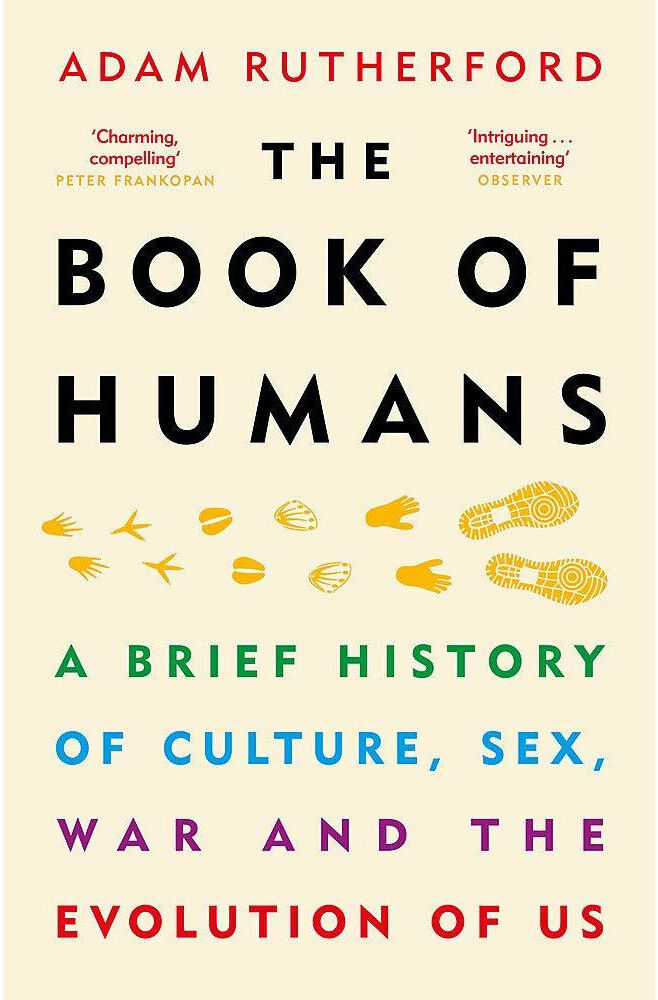
Orion The Book of Humans by Adam Rutherford – A Brief History of Culture, Sex, War & EvolutionWHAT MAKES US HUMAN? Waging war? Sex for pleasure? Creating art? Mastery of fire? In this thrilling tour of the animal kingdom, Adam Rutherford tells the story of how we became the unique creatures we are today. Illuminated by the latest scientific discoveries, THE BOOK OF HUMANS is a dazzling compendium of what unequivocally fixes us as animals, and reveals how we are extraordinary among them.4,98 £*Shipping: 1,99 £Secure redirect to the provider
-
What does destructive omnipotence mean?
Destructive omnipotence refers to the unlimited power to cause harm or destruction. It implies the ability to wield immense power without any limitations or constraints, leading to devastating consequences. This concept is often used in discussions about the potential dangers of advanced technology or the unchecked power of authoritarian regimes. Destructive omnipotence highlights the need for ethical considerations and responsible use of power to prevent catastrophic outcomes. **
-
Which formula describes destructive interference?
Destructive interference is described by the formula: Δ = (m + 1/2)λ, where Δ represents the path length difference, m is an integer representing the order of the interference, and λ is the wavelength of the interfering waves. When the path length difference is equal to an odd multiple of half the wavelength, destructive interference occurs, resulting in a reduction or cancellation of the amplitude of the waves. This formula helps to predict the conditions under which destructive interference will occur in wave systems. **
-
Are these destructive interference waves?
Yes, the waves in the image are an example of destructive interference. Destructive interference occurs when two waves with opposite phases meet and their amplitudes subtract from each other, resulting in a wave with reduced amplitude. In the image, the two waves are out of phase and their amplitudes are subtracting from each other, leading to the formation of a wave with reduced amplitude. **
-
Can animals exhibit self-destructive behavior?
Yes, animals can exhibit self-destructive behavior. This can manifest in various ways, such as excessive grooming leading to hair loss, overeating, self-mutilation, or engaging in dangerous activities. These behaviors can be a result of stress, anxiety, or other underlying psychological issues. It is important for animal owners to be aware of these behaviors and seek professional help to address the root cause and provide appropriate care for their animals. **
* All prices are inclusive of VAT and, if applicable, plus shipping costs. The offer information is based on the details provided by the respective shop and is updated through automated processes. Real-time updates do not occur, so deviations can occur in individual cases. ** Note: Parts of this content were created by AI.