Buy osnabrück.biz ?
We are moving the project
osnabrück.biz .
Are you interested in purchasing the domain
osnabrück.biz ?
domain@kv-gmbh.de · 0541-91531010
Buy osnabrück.biz ?
What are dictatorships in Europe?
Dictatorships in Europe refer to political systems in which power is concentrated in the hands of a single individual or a small group, often with little to no regard for democratic processes or human rights. These regimes typically suppress opposition, control the media, and limit individual freedoms. Historically, Europe has seen dictatorships in countries such as Germany under Adolf Hitler, Italy under Benito Mussolini, and Spain under Francisco Franco. While these regimes have largely been replaced by democratic governments, there are still concerns about authoritarian tendencies in some European countries today. **
How can dictatorships be democratized?
Dictatorships can be democratized through a combination of internal and external pressures. Internally, there needs to be a push for political reform, including the establishment of free and fair elections, the protection of civil liberties, and the creation of independent institutions. This can be achieved through grassroots movements, civil society activism, and the emergence of opposition parties. Externally, the international community can apply diplomatic and economic pressure on the dictatorship to encourage democratic reforms. This can include sanctions, diplomatic isolation, and support for pro-democracy movements. Ultimately, the democratization of dictatorships requires a combination of internal and external efforts to bring about meaningful political change. **

Similar search terms for Dictatorships
Top-Angebote
Products related to Dictatorships:
-
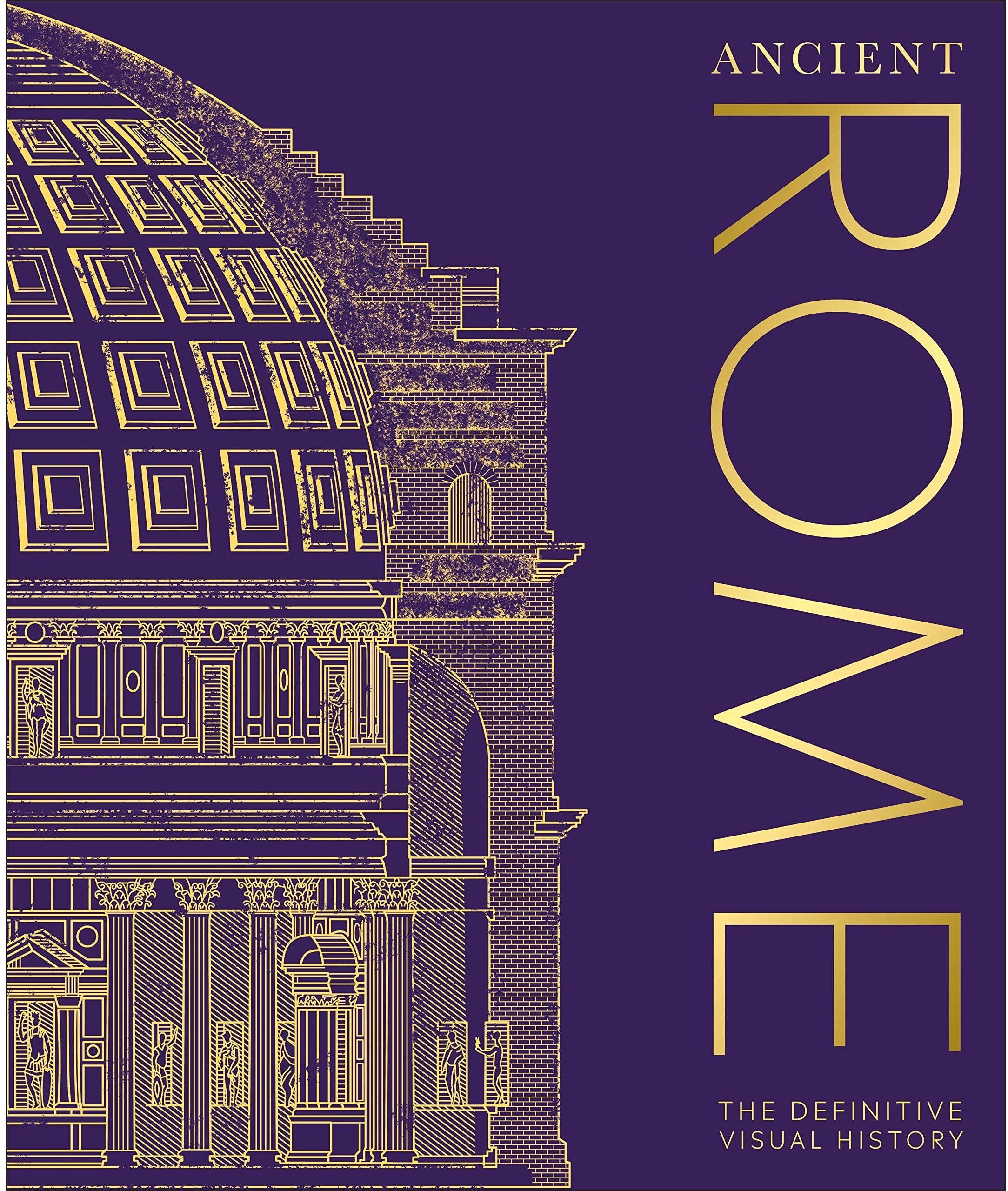
Ancient Rome: The Definitive Visual History (DK Classic History)Immerse yourself in the history of ancient Rome - from its origins as a small settlement on the Palatine Hill to its peak as an empire reigning over 90 million people, and its tumultuous decline. Covering more than 1,000 years of history, and an empire that stretched from Scotland to Syria, Ancient Rome reveals in vivid detail all of the key political, cultural, and military events that shaped the Roman Empire and explores what it was like to live in a society that laid the foundations for many aspects of the modern world. Sumptuous photography and engaging text cover every facet of life in ancient Rome, from art, entertainment, and fashion to engineering, medicine, and war, while detailed maps trace the rise of the mighty Roman Empire. Step back in time in the pages of this history book to discover:- Themed spreads explore developments in areas such as sculpture, religion, warfare, and engineering. - Includes tales of the most dramatic events and battles in Roman history, as well as profiles of influential historical and cultural figures. - An optional 80pp reference section includes sections on rulers, gods and goddesses, and key sites. Featuring Rome's greatest emperors, from Augustus to Constantine, as well as profiles of generals, historians, and influential women, Ancient Rome also delves into the fascinating stories of gladiators, bakers, and enslaved people. The most iconic buildings of Rome are brought to life with specially commissioned CGI recreations, while the stories of ordinary citizens, soldiers, and persecuted groups from across the empire are told with the help of illustrations, artefacts, and eyewitness accounts. Beautifully illustrated and unparalleled in scope, Ancient Rome is the perfect book for anyone who is interested in this defining period of world history.19,95 £*Shipping: 2,99 £Secure redirect to the provider
-
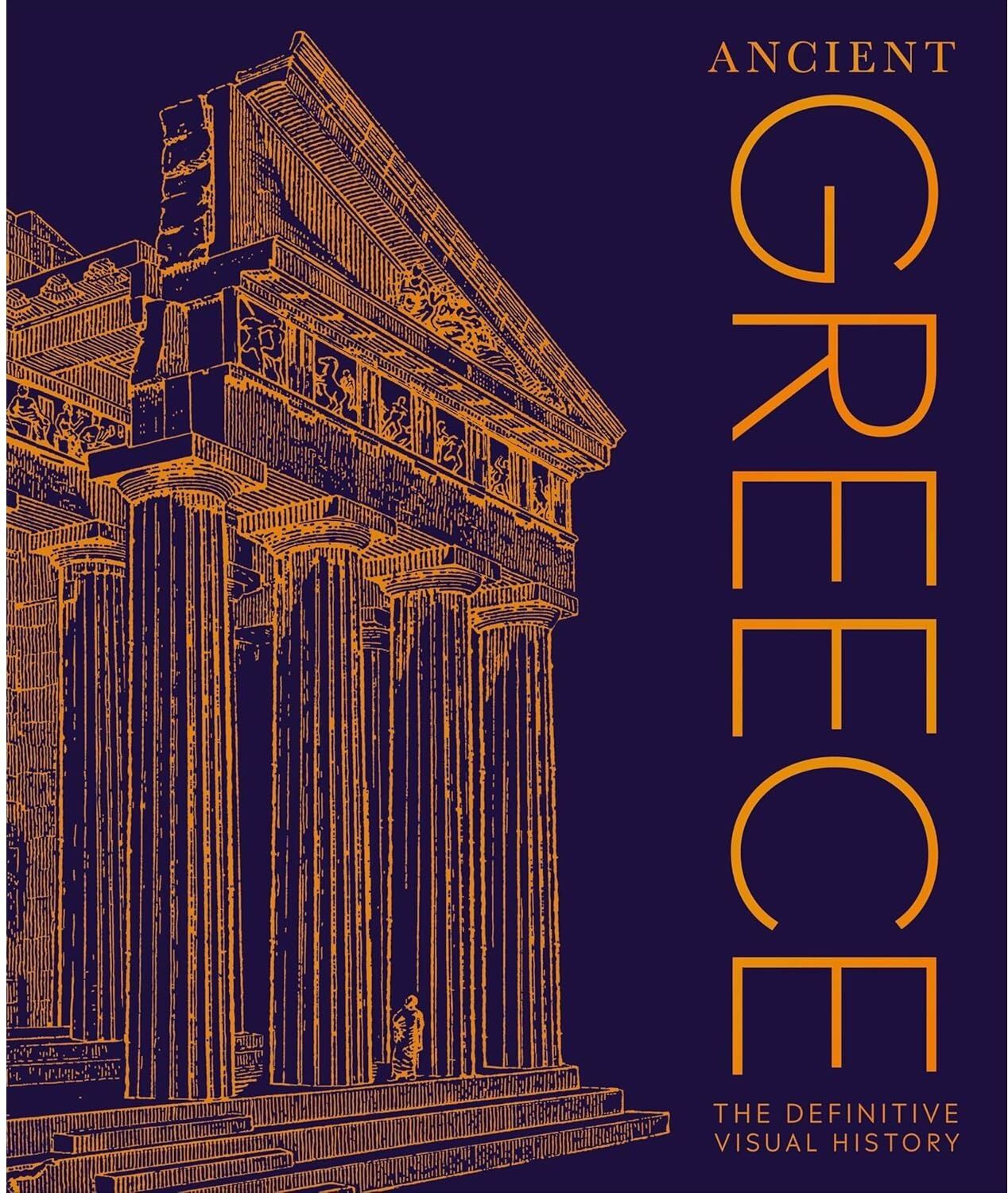
Ancient Greece: The Definitive Visual History (DK Classic History)Embark upon a fascinating journey through ancient Greece – from its rise and fall to its lasting legacy throughout the Western world. Spanning more than 3,000 years, Ancient Greece explores the tumultuous history of this glorious empire in vivid detail – from its Minoan and Mycenaean origins to the apogee of the warring city-states of Athens and Sparta, and from the death of its most charismatic leader, Alexander the Great, to its ultimate defeat by Rome. Sumptuous photography and authoritative, engaging text cover every facet of life in ancient Greece, from art, entertainment, and schools of thought to politics, medicine, and war, while the myths and religious beliefs of the ancient culture are explored and explained in depth. Greece’s military and political power shines through in fascinating maps of its legendary battles. Buried palaces and the Athenian Agora where Plato and Socrates discussed philosophy are brought back to life with stunning CGI artworks. And the stories of everyone from ordinary citizens to lawmakers and the first Olympic athletes are retold through eyewitness accounts and original artefacts.19,99 £*Shipping: 2,99 £Secure redirect to the provider
-
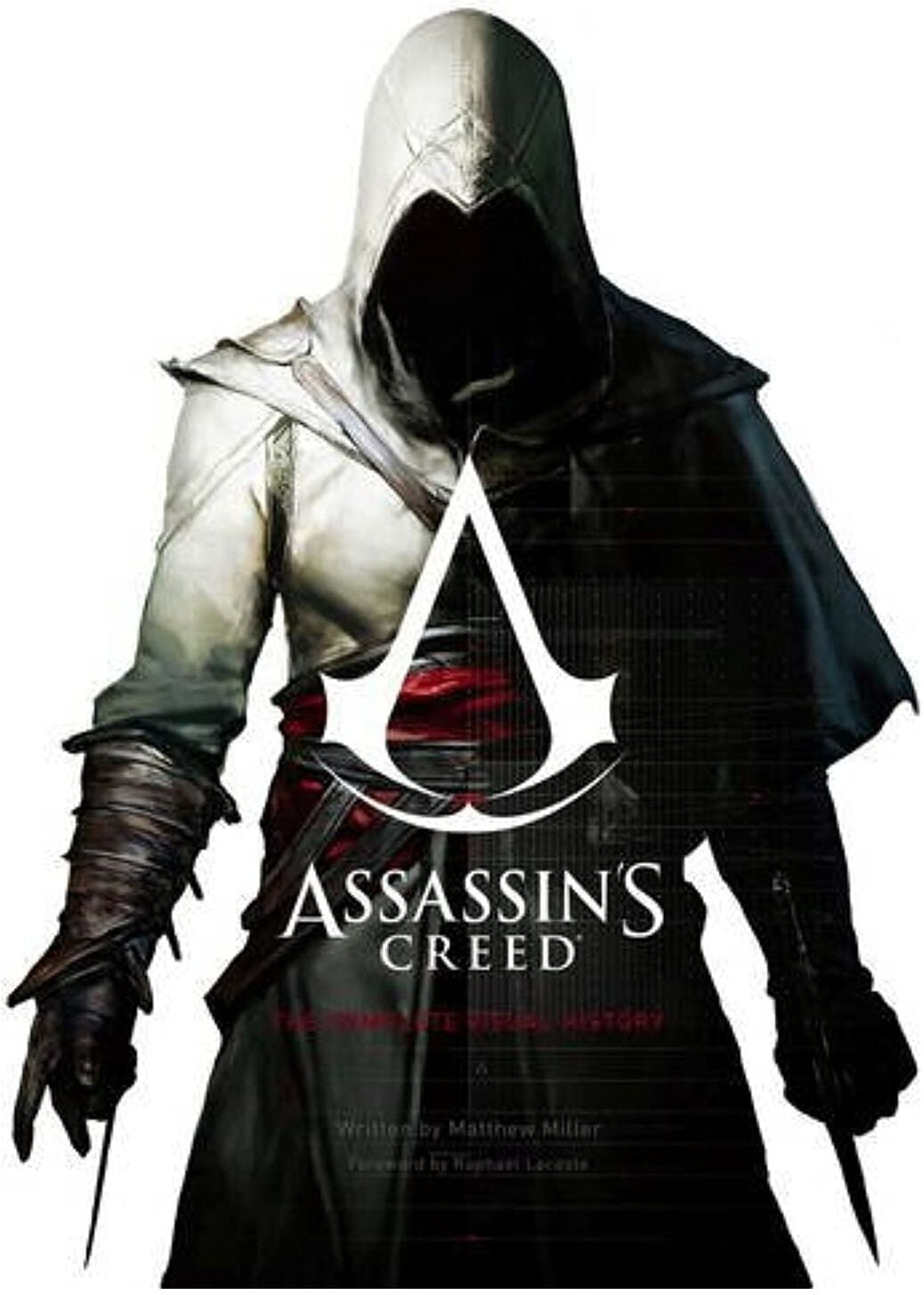
Titan Assassins Creed - The Complete Visual History: The Definitive Visual HistoryThis stunning book explores the rich mythology of Assassins Creed®, featuring the art and history of the series from the first groundbreaking game through the graphic novels to the DLCs. Highlighting the lush and vibrant art that has become a hallmark of the series, this luxury coffee-table book brings the games famous historical locations and figures to life and explores the evolution of each iconic Assassin and Templar.15,99 £*Shipping: 2,99 £Secure redirect to the provider
-
Fox Eye Publishing Introduction to History 20 Books Collection Box Set – Educational History Learning CollectionIntroduction to History 20 Books Collection Box Set (The Aztecs, Castles, Celts, Ancient China, Discovering the Past, Egyptians, Ancient Greeks, The Maya, Romans, Vikings, Great Explorers and More) Books in This Collection: Introduction to The Aztecs Introduction to Castles Introduction to Celts Introduction to Ancient China Introduction to Discovering the Past Introduction to Egyptians Introduction to Ancient Greeks Introduction to The Maya Introduction to Romans Introduction to Vikings Introduction to Great Explorers Introduction to Great Inventors Introduction to Great Scientists Introduction to Industrial Revolution Introduction to Kingdoms of the Past Introduction to Mysterious Tombs and Treasures Introduction to Strange Places Introduction to The Victorians Introduction to World War I Introduction to World War II12,99 £*Shipping: 2,99 £Secure redirect to the provider

-
What do people have against dictatorships?
People have several reasons for being against dictatorships. Firstly, dictatorships often suppress basic human rights and freedoms, such as freedom of speech, assembly, and the press. Additionally, dictatorships can lead to widespread corruption and inequality, as power is concentrated in the hands of a few individuals. Furthermore, dictatorships can result in economic instability and lack of opportunity for the general population. Overall, people are against dictatorships because they undermine democracy, human rights, and overall well-being of the society. **
-
Why does Germany often slide into dictatorships?
Germany has a history of sliding into dictatorships due to a combination of factors such as economic instability, political polarization, and a desire for strong leadership during times of crisis. The aftermath of World War I, the Great Depression, and the political fragmentation of the Weimar Republic created a fertile ground for extremist ideologies to gain traction. Additionally, the lack of a strong democratic tradition and institutions in Germany made it easier for authoritarian leaders like Hitler to rise to power. These factors combined to create a perfect storm that allowed for the emergence of dictatorships in Germany. **
-
Is climate protection possible with autocratic dictatorships?
Climate protection is possible in autocratic dictatorships, but it may be more challenging due to the concentration of power in the hands of a few individuals. However, if the dictator is committed to addressing climate change, they can implement policies and regulations to reduce carbon emissions and promote sustainable practices. Additionally, international pressure and cooperation can also play a role in influencing autocratic regimes to prioritize climate protection. Ultimately, while it may be more difficult, it is still possible for autocratic dictatorships to contribute to global climate protection efforts. **
-
What arguments speak against monopolies and dictatorships?
Monopolies and dictatorships concentrate power in the hands of a few, leading to a lack of competition and innovation. This can result in higher prices for consumers and limited choices. Additionally, monopolies and dictatorships often stifle freedom of expression and limit individual rights, leading to a lack of diversity and creativity in society. Furthermore, they can lead to corruption and abuse of power, as there are no checks and balances in place to hold those in power accountable. Overall, monopolies and dictatorships can lead to a lack of progress, inequality, and a stifling of individual freedoms. **


Why can dictatorships not tolerate free art?
Dictatorships cannot tolerate free art because it often serves as a platform for expressing dissent and challenging the status quo. Art has the power to inspire critical thinking, provoke social change, and promote freedom of expression, which threatens the control and authority of the dictatorship. By allowing free art, dictatorships risk losing their grip on power and facing opposition from the public, as art has the ability to unite and mobilize people against oppressive regimes. Therefore, dictatorships seek to suppress free art in order to maintain their control and suppress any form of dissent. **
Is communism just a pretext for dictatorships?
Communism as an ideology is based on the idea of a classless society where the means of production are owned and controlled by the community as a whole. However, in practice, many communist regimes have devolved into dictatorships where power is concentrated in the hands of a single leader or ruling party. This has led to the perception that communism is just a pretext for dictatorships. While some argue that communism inherently leads to authoritarianism, others believe that the failure of communist regimes to uphold democratic principles is a result of specific historical and geopolitical factors rather than an inherent feature of the ideology itself. **
Top-Angebote
Products related to Dictatorships:
-
From the Archives: Black History and Culture Value PackThis brand-new series is rooted in a profound commitment to shedding light on some of the important -- and often lesser-known -- aspects of Black history. From the Archives features landmarks, events, people, and artistic endeavors that have played...26,99 $*Shipping: 0,00 $Secure redirect to the provider
-
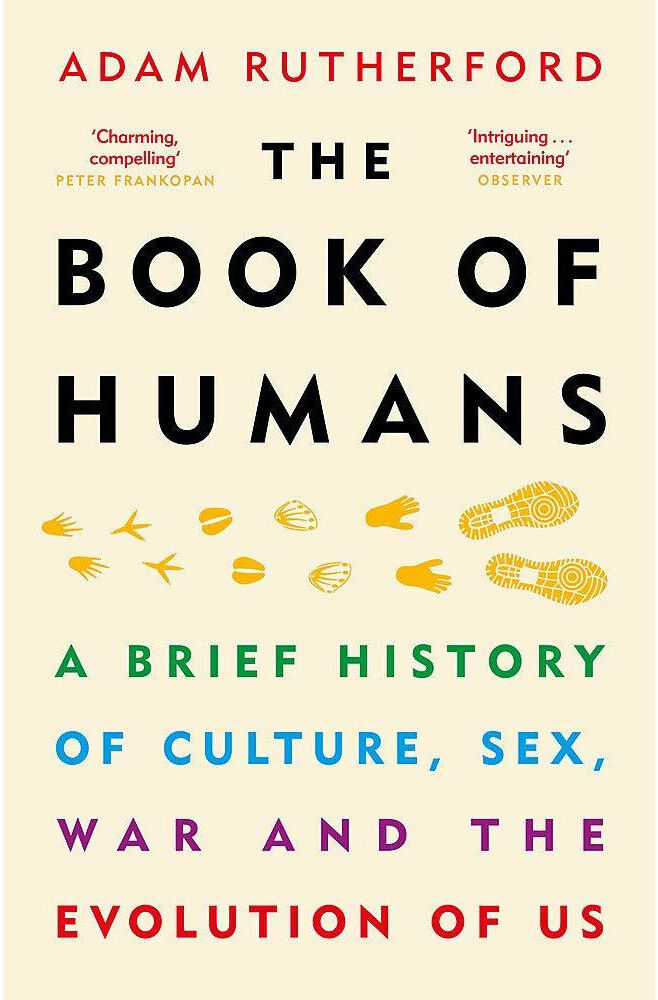
Orion The Book of Humans by Adam Rutherford – A Brief History of Culture, Sex, War & EvolutionWHAT MAKES US HUMAN? Waging war? Sex for pleasure? Creating art? Mastery of fire? In this thrilling tour of the animal kingdom, Adam Rutherford tells the story of how we became the unique creatures we are today. Illuminated by the latest scientific discoveries, THE BOOK OF HUMANS is a dazzling compendium of what unequivocally fixes us as animals, and reveals how we are extraordinary among them.4,98 £*Shipping: 1,99 £Secure redirect to the provider
-
Ancient Rome: The Definitive Visual History (DK Classic History)Immerse yourself in the history of ancient Rome - from its origins as a small settlement on the Palatine Hill to its peak as an empire reigning over 90 million people, and its tumultuous decline. Covering more than 1,000 years of history, and an empire that stretched from Scotland to Syria, Ancient Rome reveals in vivid detail all of the key political, cultural, and military events that shaped the Roman Empire and explores what it was like to live in a society that laid the foundations for many aspects of the modern world. Sumptuous photography and engaging text cover every facet of life in ancient Rome, from art, entertainment, and fashion to engineering, medicine, and war, while detailed maps trace the rise of the mighty Roman Empire. Step back in time in the pages of this history book to discover:- Themed spreads explore developments in areas such as sculpture, religion, warfare, and engineering. - Includes tales of the most dramatic events and battles in Roman history, as well as profiles of influential historical and cultural figures. - An optional 80pp reference section includes sections on rulers, gods and goddesses, and key sites. Featuring Rome's greatest emperors, from Augustus to Constantine, as well as profiles of generals, historians, and influential women, Ancient Rome also delves into the fascinating stories of gladiators, bakers, and enslaved people. The most iconic buildings of Rome are brought to life with specially commissioned CGI recreations, while the stories of ordinary citizens, soldiers, and persecuted groups from across the empire are told with the help of illustrations, artefacts, and eyewitness accounts. Beautifully illustrated and unparalleled in scope, Ancient Rome is the perfect book for anyone who is interested in this defining period of world history.19,95 £*Shipping: 2,99 £Secure redirect to the provider
-
Ancient Greece: The Definitive Visual History (DK Classic History)Embark upon a fascinating journey through ancient Greece – from its rise and fall to its lasting legacy throughout the Western world. Spanning more than 3,000 years, Ancient Greece explores the tumultuous history of this glorious empire in vivid detail – from its Minoan and Mycenaean origins to the apogee of the warring city-states of Athens and Sparta, and from the death of its most charismatic leader, Alexander the Great, to its ultimate defeat by Rome. Sumptuous photography and authoritative, engaging text cover every facet of life in ancient Greece, from art, entertainment, and schools of thought to politics, medicine, and war, while the myths and religious beliefs of the ancient culture are explored and explained in depth. Greece’s military and political power shines through in fascinating maps of its legendary battles. Buried palaces and the Athenian Agora where Plato and Socrates discussed philosophy are brought back to life with stunning CGI artworks. And the stories of everyone from ordinary citizens to lawmakers and the first Olympic athletes are retold through eyewitness accounts and original artefacts.19,99 £*Shipping: 2,99 £Secure redirect to the provider
-
What are dictatorships in Europe?
Dictatorships in Europe refer to political systems in which power is concentrated in the hands of a single individual or a small group, often with little to no regard for democratic processes or human rights. These regimes typically suppress opposition, control the media, and limit individual freedoms. Historically, Europe has seen dictatorships in countries such as Germany under Adolf Hitler, Italy under Benito Mussolini, and Spain under Francisco Franco. While these regimes have largely been replaced by democratic governments, there are still concerns about authoritarian tendencies in some European countries today. **
-
How can dictatorships be democratized?
Dictatorships can be democratized through a combination of internal and external pressures. Internally, there needs to be a push for political reform, including the establishment of free and fair elections, the protection of civil liberties, and the creation of independent institutions. This can be achieved through grassroots movements, civil society activism, and the emergence of opposition parties. Externally, the international community can apply diplomatic and economic pressure on the dictatorship to encourage democratic reforms. This can include sanctions, diplomatic isolation, and support for pro-democracy movements. Ultimately, the democratization of dictatorships requires a combination of internal and external efforts to bring about meaningful political change. **
-
What do people have against dictatorships?
People have several reasons for being against dictatorships. Firstly, dictatorships often suppress basic human rights and freedoms, such as freedom of speech, assembly, and the press. Additionally, dictatorships can lead to widespread corruption and inequality, as power is concentrated in the hands of a few individuals. Furthermore, dictatorships can result in economic instability and lack of opportunity for the general population. Overall, people are against dictatorships because they undermine democracy, human rights, and overall well-being of the society. **
-
Why does Germany often slide into dictatorships?
Germany has a history of sliding into dictatorships due to a combination of factors such as economic instability, political polarization, and a desire for strong leadership during times of crisis. The aftermath of World War I, the Great Depression, and the political fragmentation of the Weimar Republic created a fertile ground for extremist ideologies to gain traction. Additionally, the lack of a strong democratic tradition and institutions in Germany made it easier for authoritarian leaders like Hitler to rise to power. These factors combined to create a perfect storm that allowed for the emergence of dictatorships in Germany. **
Similar search terms for Dictatorships
-
Titan Assassins Creed - The Complete Visual History: The Definitive Visual HistoryThis stunning book explores the rich mythology of Assassins Creed®, featuring the art and history of the series from the first groundbreaking game through the graphic novels to the DLCs. Highlighting the lush and vibrant art that has become a hallmark of the series, this luxury coffee-table book brings the games famous historical locations and figures to life and explores the evolution of each iconic Assassin and Templar.15,99 £*Shipping: 2,99 £Secure redirect to the provider
-
Fox Eye Publishing Introduction to History 20 Books Collection Box Set – Educational History Learning CollectionIntroduction to History 20 Books Collection Box Set (The Aztecs, Castles, Celts, Ancient China, Discovering the Past, Egyptians, Ancient Greeks, The Maya, Romans, Vikings, Great Explorers and More) Books in This Collection: Introduction to The Aztecs Introduction to Castles Introduction to Celts Introduction to Ancient China Introduction to Discovering the Past Introduction to Egyptians Introduction to Ancient Greeks Introduction to The Maya Introduction to Romans Introduction to Vikings Introduction to Great Explorers Introduction to Great Inventors Introduction to Great Scientists Introduction to Industrial Revolution Introduction to Kingdoms of the Past Introduction to Mysterious Tombs and Treasures Introduction to Strange Places Introduction to The Victorians Introduction to World War I Introduction to World War II12,99 £*Shipping: 2,99 £Secure redirect to the provider
-
OM Books International Encyclopedia of History 8 Books Collection Set – World War History & Educational Learning CollectionEncyclopedia of History set of 8 books (World War I, World War II, World War II and Indias Freedom Struggle, Mid Nineteenth and Twentieth Centuries, The French Revolution & More): Titles in This Set: Encyclopedia: World War I Encyclopedia: World War II Encyclopedia: World War II and Indias Freedom Struggle Encyclopedia: Mid Nineteenth and Twentieth Centuries Encyclopedia: The French Revolution Encyclopedia: Middle Ages and the Emergence of Modern Europe Encyclopedia: Prominent Civilisations Encyclopedia: Ancient History Description: What made humans the way they are today? How were civilisations formed and erased? What makes up history? Get answers to all the questions and more in this history encyclopedia. Go back in time and learn all about human history, right from the time man began his journey in stone caves. Relive epic battles, learn about the rise and fall of great empires and a lot more.9,90 £*Shipping: 2,99 £Secure redirect to the provider
-
Usborne Beginners History 10 Books Collection Box Set Educational History Books for Children - Stone Age Iron Age - HARDCOVERUsborne Beginners History 10 Books Collection Box Set Stone Age Iron Age Egyptians Ancient Greeks .. Stone Age This simple information book follows the history of Stone Age people and how they lived. Iron Age This simple information book charts the history of Iron Age people and how they lived; including their farming methods; the gods they prayed to and the hill forts where they lived. Egyptians Who were the ancient Egyptians? Why did they build pyramids and how were mummies made? Ancient Greeks Find out about Ancient Greece; what people wore; ate and did for fun and learn about some of the most famous philosophers and mathematicians of the age in this compelling book for beginner readers. Celts Who were the Celts exactly? Did you know they lived on top of hills? Do you have any idea how Celtic warriors made themselves look really scary in battle? Romans Who were the ancient Romans? Where did they go to eat; shop and wash? What did they do for fun? The Maya Who were the Maya? Where did they live? Why did they build tall stone temples? Vikings Find out what it was like to be a Viking; and learn about Viking homes; feasts; boats; gods and much more in this fascinating book. Castles Who lived in a castle; and what was it like? Children can find out the answers to these questions and lots more about the wonderful world of castles in this informative book. Digging Up the Past How do ancient things get buried? Who digs them up? And what do they find? Beginner readers can find answers to these questions and more in this colourful information book. Related Tags: Usborne, Usbourne14,99 £*Shipping: 2,99 £Secure redirect to the provider
-
Is climate protection possible with autocratic dictatorships?
Climate protection is possible in autocratic dictatorships, but it may be more challenging due to the concentration of power in the hands of a few individuals. However, if the dictator is committed to addressing climate change, they can implement policies and regulations to reduce carbon emissions and promote sustainable practices. Additionally, international pressure and cooperation can also play a role in influencing autocratic regimes to prioritize climate protection. Ultimately, while it may be more difficult, it is still possible for autocratic dictatorships to contribute to global climate protection efforts. **
-
What arguments speak against monopolies and dictatorships?
Monopolies and dictatorships concentrate power in the hands of a few, leading to a lack of competition and innovation. This can result in higher prices for consumers and limited choices. Additionally, monopolies and dictatorships often stifle freedom of expression and limit individual rights, leading to a lack of diversity and creativity in society. Furthermore, they can lead to corruption and abuse of power, as there are no checks and balances in place to hold those in power accountable. Overall, monopolies and dictatorships can lead to a lack of progress, inequality, and a stifling of individual freedoms. **
-
Why can dictatorships not tolerate free art?
Dictatorships cannot tolerate free art because it often serves as a platform for expressing dissent and challenging the status quo. Art has the power to inspire critical thinking, provoke social change, and promote freedom of expression, which threatens the control and authority of the dictatorship. By allowing free art, dictatorships risk losing their grip on power and facing opposition from the public, as art has the ability to unite and mobilize people against oppressive regimes. Therefore, dictatorships seek to suppress free art in order to maintain their control and suppress any form of dissent. **
-
Is communism just a pretext for dictatorships?
Communism as an ideology is based on the idea of a classless society where the means of production are owned and controlled by the community as a whole. However, in practice, many communist regimes have devolved into dictatorships where power is concentrated in the hands of a single leader or ruling party. This has led to the perception that communism is just a pretext for dictatorships. While some argue that communism inherently leads to authoritarianism, others believe that the failure of communist regimes to uphold democratic principles is a result of specific historical and geopolitical factors rather than an inherent feature of the ideology itself. **
* All prices are inclusive of VAT and, if applicable, plus shipping costs. The offer information is based on the details provided by the respective shop and is updated through automated processes. Real-time updates do not occur, so deviations can occur in individual cases. ** Note: Parts of this content were created by AI.