Buy osnabrück.biz ?
We are moving the project
osnabrück.biz .
Are you interested in purchasing the domain
osnabrück.biz ?
domain@kv-gmbh.de · 0541-91531010
Buy osnabrück.biz ?
Does a mountaineer without legs, but with awesome prosthetics, have an advantage over a mountaineer whose own legs can experience pain?
A mountaineer without legs, but with awesome prosthetics, may have an advantage over a mountaineer whose own legs can experience pain in certain situations. The prosthetics may provide more stability and endurance, and the mountaineer may not experience the same level of pain or fatigue as someone with natural legs. However, the mountaineer with natural legs may have a better sense of balance and proprioception, which could be advantageous in certain climbing scenarios. Ultimately, the advantage would depend on the specific challenges and terrain of the mountain being climbed. **
Does a good mountaineer really need toes and fingers?
Yes, a good mountaineer does need toes and fingers. These body parts are crucial for gripping and balancing on the uneven and often treacherous terrain of mountains. Additionally, fingers are essential for using climbing equipment and ropes, while toes provide stability and support during ascents and descents. Without these extremities, a mountaineer would face significant challenges and limitations in their ability to navigate and conquer mountainous landscapes. **

Similar search terms for Mountaineer
Top-Angebote
Products related to Mountaineer:
-
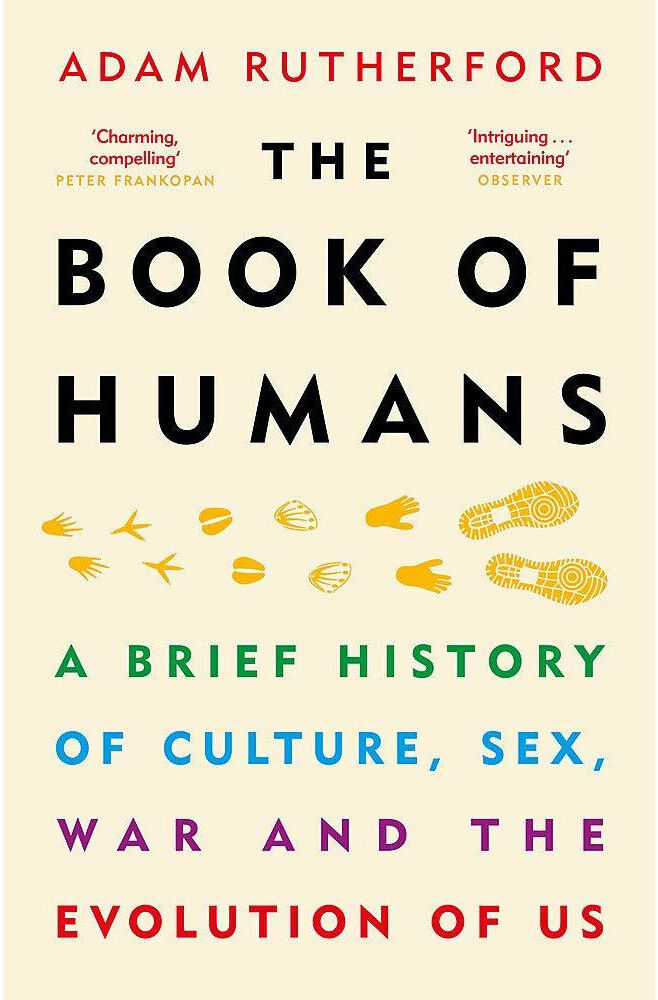
Orion The Book of Humans by Adam Rutherford – A Brief History of Culture, Sex, War & EvolutionWHAT MAKES US HUMAN? Waging war? Sex for pleasure? Creating art? Mastery of fire? In this thrilling tour of the animal kingdom, Adam Rutherford tells the story of how we became the unique creatures we are today. Illuminated by the latest scientific discoveries, THE BOOK OF HUMANS is a dazzling compendium of what unequivocally fixes us as animals, and reveals how we are extraordinary among them.4,98 £*Shipping: 1,99 £Secure redirect to the provider
-
Titan Assassins Creed - The Complete Visual History: The Definitive Visual HistoryThis stunning book explores the rich mythology of Assassins Creed®, featuring the art and history of the series from the first groundbreaking game through the graphic novels to the DLCs. Highlighting the lush and vibrant art that has become a hallmark of the series, this luxury coffee-table book brings the games famous historical locations and figures to life and explores the evolution of each iconic Assassin and Templar.15,99 £*Shipping: 2,99 £Secure redirect to the provider
-
Fox Eye Publishing Introduction to History 20 Books Collection Box Set – Educational History Learning CollectionIntroduction to History 20 Books Collection Box Set (The Aztecs, Castles, Celts, Ancient China, Discovering the Past, Egyptians, Ancient Greeks, The Maya, Romans, Vikings, Great Explorers and More) Books in This Collection: Introduction to The Aztecs Introduction to Castles Introduction to Celts Introduction to Ancient China Introduction to Discovering the Past Introduction to Egyptians Introduction to Ancient Greeks Introduction to The Maya Introduction to Romans Introduction to Vikings Introduction to Great Explorers Introduction to Great Inventors Introduction to Great Scientists Introduction to Industrial Revolution Introduction to Kingdoms of the Past Introduction to Mysterious Tombs and Treasures Introduction to Strange Places Introduction to The Victorians Introduction to World War I Introduction to World War II12,99 £*Shipping: 2,99 £Secure redirect to the provider



-
How does a mountaineer pee on a cold mountain?
A mountaineer can pee on a cold mountain by finding a sheltered spot away from the wind and snow, and then quickly removing their outer layers of clothing to access their lower layers. They can then squat or stand and aim away from themselves to avoid getting their clothes wet. It's important to work quickly to minimize exposure to the cold and to avoid any potential frostbite. Additionally, some mountaineers may use a portable urination device to make the process easier in extreme conditions. **
-
At what altitude can one consider themselves a mountaineer?
One can consider themselves a mountaineer when they start ascending peaks that are at least 14,000 feet (4,267 meters) above sea level. At this altitude, the challenges and risks associated with mountaineering, such as altitude sickness, extreme weather conditions, and technical climbing skills, become more significant. Additionally, the need for specialized gear and training also increases at this altitude, marking the transition from hiking to mountaineering. **
-
Which mountaineer was the first to climb all 14 eight-thousanders?
Reinhold Messner was the first mountaineer to climb all 14 eight-thousanders. He completed this incredible feat in 1986 when he summited Lhotse, the fourth highest mountain in the world. Messner is widely regarded as one of the greatest mountaineers of all time and his achievement of climbing all 14 eight-thousanders without supplemental oxygen is considered a remarkable accomplishment in the mountaineering world. **
-
What kind of city is Osnabrück?
Osnabrück is a charming and historic city located in northwest Germany. It is known for its well-preserved medieval architecture, including the iconic St. Peter's Cathedral and the picturesque Old Town. Osnabrück is also a vibrant cultural hub, with numerous museums, galleries, and theaters showcasing the city's rich history and artistic heritage. Additionally, Osnabrück is a green city, with plenty of parks and gardens providing peaceful retreats for residents and visitors alike. **


What are art and culture events?
Art and culture events are gatherings or activities that showcase various forms of artistic expression, such as visual arts, music, dance, theater, literature, and more. These events provide a platform for artists to share their work with the public and engage in creative dialogue. They also offer opportunities for individuals to immerse themselves in different cultural experiences, broaden their perspectives, and appreciate the diversity of human expression. Overall, art and culture events play a vital role in enriching communities, fostering creativity, and promoting understanding and connection among people. **
What does Cuban cuisine and eating culture look like?
Cuban cuisine is a fusion of Spanish, African, and Caribbean influences, resulting in a diverse and flavorful culinary tradition. Common ingredients include rice, beans, plantains, and various meats such as pork and chicken. Popular dishes include ropa vieja (shredded beef), arroz con pollo (chicken with rice), and lechón asado (roast pork). Eating culture in Cuba is centered around family and community, with meals often being a social and communal experience. It is common for Cubans to share meals with extended family and friends, and food is an important part of social gatherings and celebrations. **
Top-Angebote
Products related to Mountaineer:
-
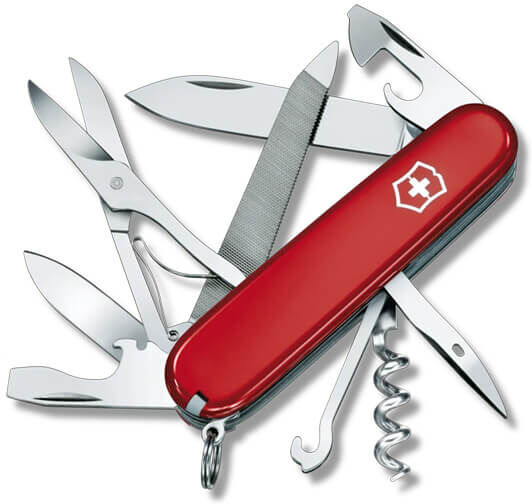
Victorinox Swiss Army Knife MountaineerThe Victorinox Swiss Army Knife Mountaineer is an evolution of the classic Officer's knife. Ensure it’s in your pocket before leaving base camp. With 18 functions, this versatile tool helps you tackle tasks day after day, allowing you to continue your journey onward and upward. Tools: Blade, large / Blade, small / Bottle opener / Can opener / Corkscrew / Keyring / Metal file / Metal saw / Multipurpose hook / Nail cleaner / Nail file / Reamer, punch and sewing awl / Scissors / Screwdriver 3mm / Screwdriver 6mm / Toothpick / Tweezers / Wire Stripper Dimensions: 2(H) x 9.1(L) x 2.6(W) cm. Weight: 0.109kg. The Victorinox Swiss Army Knife Mountaineer is covered by a Victorinox lifetime warranty. Knives are not for sale to persons under the age of 18. - all knives and bladed products are delivered by Age Verified Delivery (AVD). The carrier may request proof of age in order to deliver your parcel. If proof of age is not available, or the recipient is underage, the carrier will refuse to deliver.46,95 £*Shipping: 3,50 £Secure redirect to the provider
-
From the Archives: Black History and Culture Value PackThis brand-new series is rooted in a profound commitment to shedding light on some of the important -- and often lesser-known -- aspects of Black history. From the Archives features landmarks, events, people, and artistic endeavors that have played...26,99 $*Shipping: 0,00 $Secure redirect to the provider
-
Orion The Book of Humans by Adam Rutherford – A Brief History of Culture, Sex, War & EvolutionWHAT MAKES US HUMAN? Waging war? Sex for pleasure? Creating art? Mastery of fire? In this thrilling tour of the animal kingdom, Adam Rutherford tells the story of how we became the unique creatures we are today. Illuminated by the latest scientific discoveries, THE BOOK OF HUMANS is a dazzling compendium of what unequivocally fixes us as animals, and reveals how we are extraordinary among them.4,98 £*Shipping: 1,99 £Secure redirect to the provider
-
Titan Assassins Creed - The Complete Visual History: The Definitive Visual HistoryThis stunning book explores the rich mythology of Assassins Creed®, featuring the art and history of the series from the first groundbreaking game through the graphic novels to the DLCs. Highlighting the lush and vibrant art that has become a hallmark of the series, this luxury coffee-table book brings the games famous historical locations and figures to life and explores the evolution of each iconic Assassin and Templar.15,99 £*Shipping: 2,99 £Secure redirect to the provider
-
Does a mountaineer without legs, but with awesome prosthetics, have an advantage over a mountaineer whose own legs can experience pain?
A mountaineer without legs, but with awesome prosthetics, may have an advantage over a mountaineer whose own legs can experience pain in certain situations. The prosthetics may provide more stability and endurance, and the mountaineer may not experience the same level of pain or fatigue as someone with natural legs. However, the mountaineer with natural legs may have a better sense of balance and proprioception, which could be advantageous in certain climbing scenarios. Ultimately, the advantage would depend on the specific challenges and terrain of the mountain being climbed. **
-
Does a good mountaineer really need toes and fingers?
Yes, a good mountaineer does need toes and fingers. These body parts are crucial for gripping and balancing on the uneven and often treacherous terrain of mountains. Additionally, fingers are essential for using climbing equipment and ropes, while toes provide stability and support during ascents and descents. Without these extremities, a mountaineer would face significant challenges and limitations in their ability to navigate and conquer mountainous landscapes. **
-
How does a mountaineer pee on a cold mountain?
A mountaineer can pee on a cold mountain by finding a sheltered spot away from the wind and snow, and then quickly removing their outer layers of clothing to access their lower layers. They can then squat or stand and aim away from themselves to avoid getting their clothes wet. It's important to work quickly to minimize exposure to the cold and to avoid any potential frostbite. Additionally, some mountaineers may use a portable urination device to make the process easier in extreme conditions. **
-
At what altitude can one consider themselves a mountaineer?
One can consider themselves a mountaineer when they start ascending peaks that are at least 14,000 feet (4,267 meters) above sea level. At this altitude, the challenges and risks associated with mountaineering, such as altitude sickness, extreme weather conditions, and technical climbing skills, become more significant. Additionally, the need for specialized gear and training also increases at this altitude, marking the transition from hiking to mountaineering. **
Similar search terms for Mountaineer
-
Fox Eye Publishing Introduction to History 20 Books Collection Box Set – Educational History Learning CollectionIntroduction to History 20 Books Collection Box Set (The Aztecs, Castles, Celts, Ancient China, Discovering the Past, Egyptians, Ancient Greeks, The Maya, Romans, Vikings, Great Explorers and More) Books in This Collection: Introduction to The Aztecs Introduction to Castles Introduction to Celts Introduction to Ancient China Introduction to Discovering the Past Introduction to Egyptians Introduction to Ancient Greeks Introduction to The Maya Introduction to Romans Introduction to Vikings Introduction to Great Explorers Introduction to Great Inventors Introduction to Great Scientists Introduction to Industrial Revolution Introduction to Kingdoms of the Past Introduction to Mysterious Tombs and Treasures Introduction to Strange Places Introduction to The Victorians Introduction to World War I Introduction to World War II12,99 £*Shipping: 2,99 £Secure redirect to the provider
-
OM Books International Encyclopedia of History 8 Books Collection Set – World War History & Educational Learning CollectionEncyclopedia of History set of 8 books (World War I, World War II, World War II and Indias Freedom Struggle, Mid Nineteenth and Twentieth Centuries, The French Revolution & More): Titles in This Set: Encyclopedia: World War I Encyclopedia: World War II Encyclopedia: World War II and Indias Freedom Struggle Encyclopedia: Mid Nineteenth and Twentieth Centuries Encyclopedia: The French Revolution Encyclopedia: Middle Ages and the Emergence of Modern Europe Encyclopedia: Prominent Civilisations Encyclopedia: Ancient History Description: What made humans the way they are today? How were civilisations formed and erased? What makes up history? Get answers to all the questions and more in this history encyclopedia. Go back in time and learn all about human history, right from the time man began his journey in stone caves. Relive epic battles, learn about the rise and fall of great empires and a lot more.9,90 £*Shipping: 2,99 £Secure redirect to the provider
-
Usborne Beginners History 10 Books Collection Box Set Educational History Books for Children - Stone Age Iron Age - HARDCOVERUsborne Beginners History 10 Books Collection Box Set Stone Age Iron Age Egyptians Ancient Greeks .. Stone Age This simple information book follows the history of Stone Age people and how they lived. Iron Age This simple information book charts the history of Iron Age people and how they lived; including their farming methods; the gods they prayed to and the hill forts where they lived. Egyptians Who were the ancient Egyptians? Why did they build pyramids and how were mummies made? Ancient Greeks Find out about Ancient Greece; what people wore; ate and did for fun and learn about some of the most famous philosophers and mathematicians of the age in this compelling book for beginner readers. Celts Who were the Celts exactly? Did you know they lived on top of hills? Do you have any idea how Celtic warriors made themselves look really scary in battle? Romans Who were the ancient Romans? Where did they go to eat; shop and wash? What did they do for fun? The Maya Who were the Maya? Where did they live? Why did they build tall stone temples? Vikings Find out what it was like to be a Viking; and learn about Viking homes; feasts; boats; gods and much more in this fascinating book. Castles Who lived in a castle; and what was it like? Children can find out the answers to these questions and lots more about the wonderful world of castles in this informative book. Digging Up the Past How do ancient things get buried? Who digs them up? And what do they find? Beginner readers can find answers to these questions and more in this colourful information book. Related Tags: Usborne, Usbourne14,99 £*Shipping: 2,99 £Secure redirect to the provider
-
Which mountaineer was the first to climb all 14 eight-thousanders?
Reinhold Messner was the first mountaineer to climb all 14 eight-thousanders. He completed this incredible feat in 1986 when he summited Lhotse, the fourth highest mountain in the world. Messner is widely regarded as one of the greatest mountaineers of all time and his achievement of climbing all 14 eight-thousanders without supplemental oxygen is considered a remarkable accomplishment in the mountaineering world. **
-
What kind of city is Osnabrück?
Osnabrück is a charming and historic city located in northwest Germany. It is known for its well-preserved medieval architecture, including the iconic St. Peter's Cathedral and the picturesque Old Town. Osnabrück is also a vibrant cultural hub, with numerous museums, galleries, and theaters showcasing the city's rich history and artistic heritage. Additionally, Osnabrück is a green city, with plenty of parks and gardens providing peaceful retreats for residents and visitors alike. **
-
What are art and culture events?
Art and culture events are gatherings or activities that showcase various forms of artistic expression, such as visual arts, music, dance, theater, literature, and more. These events provide a platform for artists to share their work with the public and engage in creative dialogue. They also offer opportunities for individuals to immerse themselves in different cultural experiences, broaden their perspectives, and appreciate the diversity of human expression. Overall, art and culture events play a vital role in enriching communities, fostering creativity, and promoting understanding and connection among people. **
-
What does Cuban cuisine and eating culture look like?
Cuban cuisine is a fusion of Spanish, African, and Caribbean influences, resulting in a diverse and flavorful culinary tradition. Common ingredients include rice, beans, plantains, and various meats such as pork and chicken. Popular dishes include ropa vieja (shredded beef), arroz con pollo (chicken with rice), and lechón asado (roast pork). Eating culture in Cuba is centered around family and community, with meals often being a social and communal experience. It is common for Cubans to share meals with extended family and friends, and food is an important part of social gatherings and celebrations. **
* All prices are inclusive of VAT and, if applicable, plus shipping costs. The offer information is based on the details provided by the respective shop and is updated through automated processes. Real-time updates do not occur, so deviations can occur in individual cases. ** Note: Parts of this content were created by AI.